


SPOTSCAN+
INSTANT SKIN ANALYSIS
FOR BLEMISH-PRONE SKIN
POWERED BY AI,
DEVELOPED WITH DERMATOLOGISTS
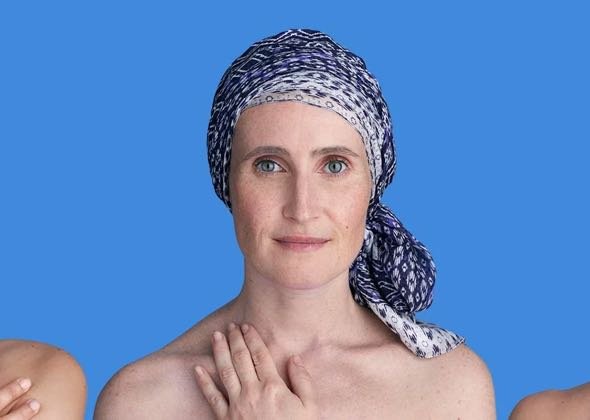
I ACCEPT
MY BODY AND SKIN
Your cancer treatment is about to start: you might experience changes in your skin, your hair, your nails, and you may have new questions about your skin care and hygiene routine. This is an important time to take care of yourself, both physically and mentally.
There are many proactive ways to protect and look after your skin during treatment. Dermatologist-approved products are available to take care of your body, face and scalp.
« My skin was more tired, dry, and itchy »
Patients testimonies
“My skin was more tired, dry, and itchy. I experienced redness on my skin; on both my face and my body. I realized I had to take care of my skin differently and adapt my skin care routine during my treatment.”
Woman 1 : During treatment, I had a lot of side effects on my skin. I had big cracked patches in the corners of my mouth that stopped me from eating. Woman 2: I was really ichy during treatment and I had dry skin.
Woman 3: I had burns and dryness. Woman 1: I covered myself in moisturizer and I received a lot of tips from pharmacists.
Woman 2 : I covered myself in cream and then…I’m not normally one for make-up but I learned to redraw my eyebrows. Woman 3 : Well at the time, I didn’t really deal with them because I wasn’t informed so I didn’t put anything on my skin.
Woman 2: When you got sick, the most important thing is to get better and stay alive. And all the little things like self-care and self-image are sometimes not as important. You don’t necessarily get that information from the medical profession. Woman 1: The patients are medically well taken care of, meaning the doctors there to tell them about the treatment and to help them recover. Today we are realizing that self-esteem and re-embracing you identity are not just secondary, they are essential because when you feel good in your body, you feel capable of seeking treatments and normally these treatments heal us. The only thing is that it would be good to have targeted information in a single place.
Woman 3: I think more campaigns are needed. Campaigns that truly make people aware, both during treatment and after, post cancer so they feel acknowledged and understood and will naturally seek these sorts of solutions. LA ROCHE-POSAY LABORATOIRE DERMATOLOGIQUE
I nurture
My body and skin
Because your skin will change during cancer therapy, now is the right time to take care of yourself, nourish your skin and indulge in moments for yourself. A daily skin care routine will help to improve your skin during treatment.
At La Roche-Posay, we have been developing dermatologist-approved skin care solutions to soothe, nourish and protect your sensitive skin Before, during and beyond cancer treatment.
expert
point of viewPr. Ivan Krakowski Oncologist and President of AFSOS, the French-speaking association for supportive care in in oncology.Skin toxicities are so severe for some patients that it can lead to the temporary or permanent discontinuation of their cancer treatment. However, many dermocosmetics solutions can help to improve your skin comfort and quality of life.
FROM DERMATOLOGISTS
AND ONCOLOGISTS
Some cancer treatments, depending on the type of cancer, make the skin more sensitive and fragile. How the skin reacts may vary depending on the type of skin, the nature of the treatment or its duration. During therapy, cancer patients need to know how best to take care of their reactive skin.
To help manage skin toxicities, La Roche-Posay brought together working groups of dermato-oncologists and oncologists that (bold) specialise in dermatological conditions associated with cancer therapy.(end bold)
In 2012, the brand initiated a European working group - the European SKIn Management in Oncology (ESKIMO) - composed of dermatologists and an oncologist specialized in cancer care and the dermatological issues associated to it. After reviewing updated scientific data, the group drew on its medical expertise to develop (bold) recommendations on how to manage cutaneous toxicities with suitable dermocosmetic solutions (end bold), and therefore (bold)improve the quality of life(end bold) of patients during their cancer treatments.
These same recommendations were then (bold)published in renowned peer-reviewed scientific journals.(end bold)
Subsequently, FRESKIMO (FRench SKIn Management in Oncology) - a French work group comprising dermatologists and oncologists - was created.
I CONNECT
TO MY INNER SELF
As part of supportive care, physical activity, relaxation and talking therapies can help you to re-connect with your inner self and find strength while undergoing cancer treatment.
You could try dynamic relaxation exercises such as Sophrology, or tailored physical activities like Pilates, which can both contribute to an improvement in your physical and mental outlook.
You can rely on doctors and other healthcare professionals such as physiotherapists to support you during this time. Patient associations are also an essential space for you to network with other cancer patients. Great emotional support can be found by discussing your situation with others that understand.